

EU listings confirm shorter battery lifespan for new Galaxy foldables | Infinium-tech
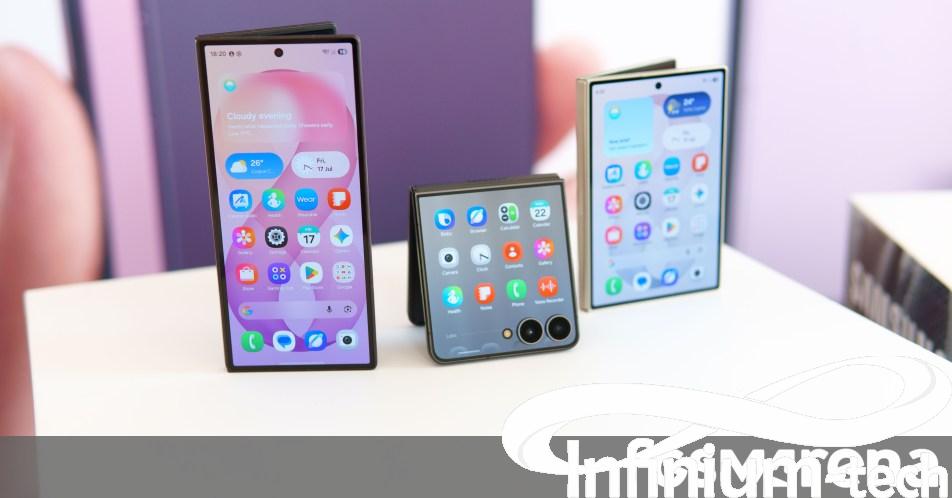
With the Z Fold8, Z Fold8 Ultra and Z Flip, Samsung adds a new chapter to its smartphone hardware history by incorporating a silicon-carbon battery for the first time. Notably, the Fold8 Ultra gets a 600mAh boost over the Fold7 thanks to its higher-energy-density cell.
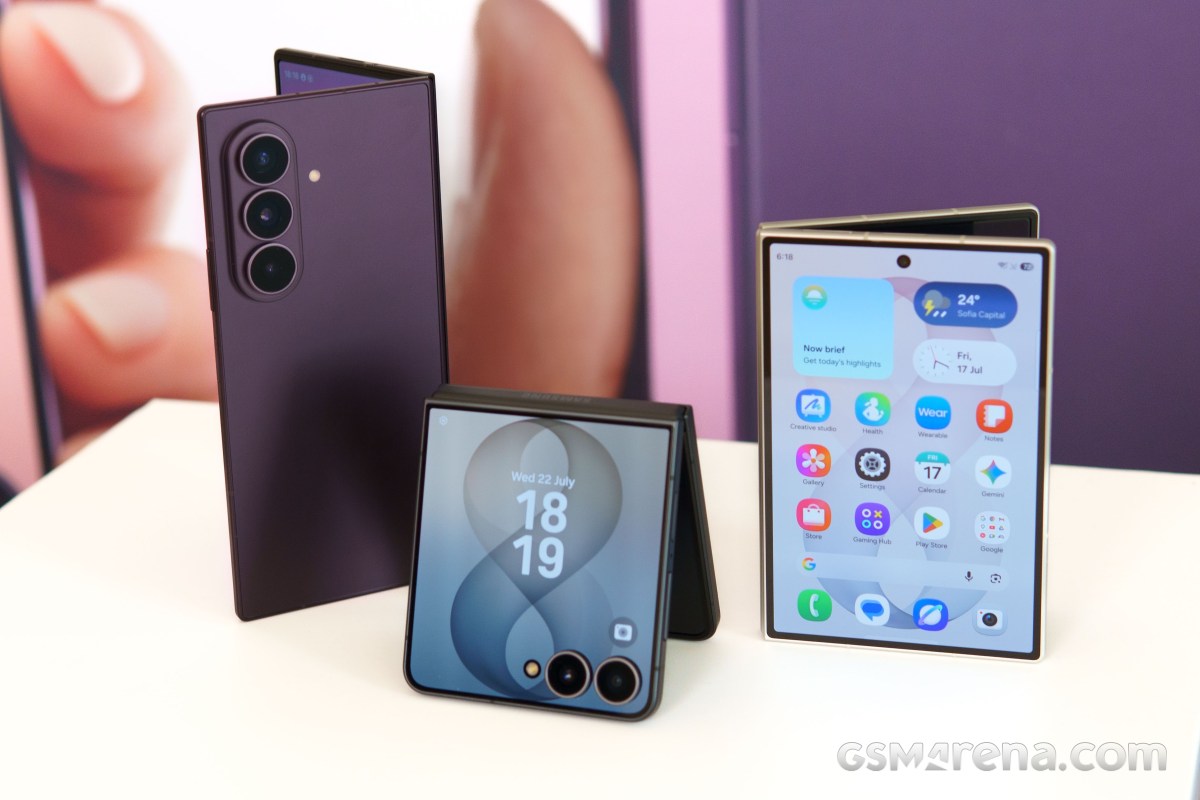
But there is a small downside. According to the EU’s EPREL rating, all batteries on the new foldable are rated at 1,200 endurance cycles. For comparison, the Z Flip7 and Z Fold7 were rated at 2,000 cycles. These values represent the number of charge cycles after which the phone’s battery will remain at 80% of its initial charge capacity.
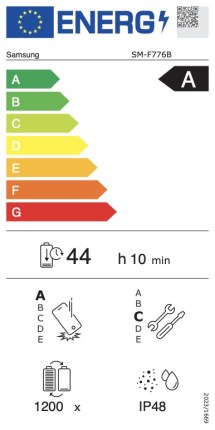
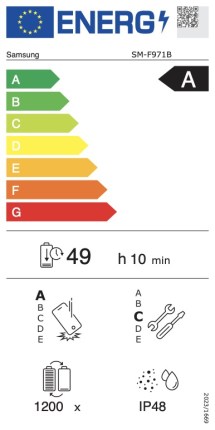
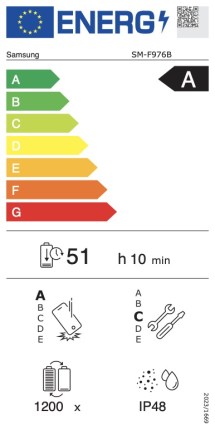
Galaxy Z Flip8, Fold8 and Fold8 Ultra EPREL LABEL
This means that the batteries in new phones will degrade faster than traditional lithium-ion cells with graphite anodes. If it is charged once per day, it will take 3.3 years to reach the 1,200-charge cycle count. This is a well-known limitation of silicon-carbon batteries and should come as no surprise.
We should also note that the Galaxy S26 series is rated at 1,200 cycles, similar to the new foldables, while the latest Apple iPhones and Google Pixels have a rating of 1,000 cycles.
Galaxy Z Fold8 Ultra (EPREL) • Galaxy Z Fold8 (April) • Galaxy Z Flip8 (April)











Leave a Reply