
Details for mid-range Kirin 8030 chipset leak, show higher clock speeds than the 8020 | Infinium-tech
Huawei is quite secretive about its Kirin chipsets, especially those that have not been officially announced yet. However, a Weibo leakster has details about the upcoming Kirin 8030.
This is a mid-range chip that could be used in future Huawei Nova and Enjoy phones. For example, the recent Nova 15 featured the Kirin 8020, which was also featured in the Nova 14 Pro and Nova 14 Ultra.
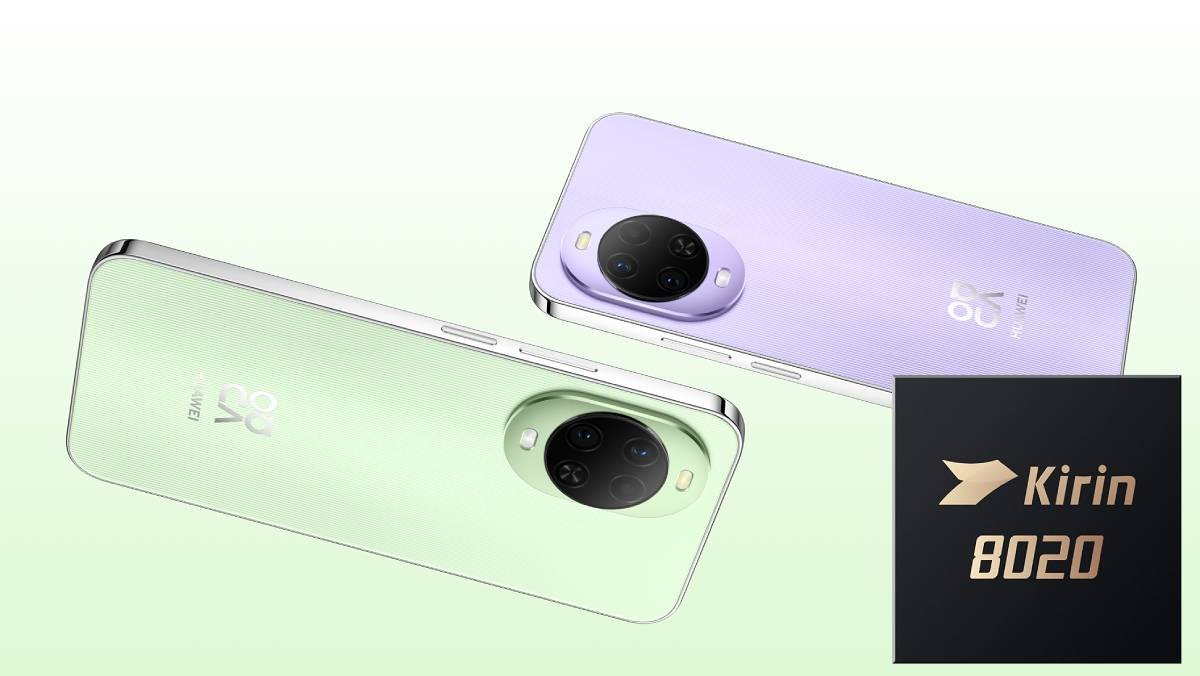
Huawei nova 15 uses Kirin 8020
The Kirin 8030 is said to be built on SMIC’s N+2 node, which is a 7nm FinFET node. Yes, it’s years behind cutting-edge technology, but keep in mind that SMIC and Huawei basically have to re-invent the entire semiconductor industry.
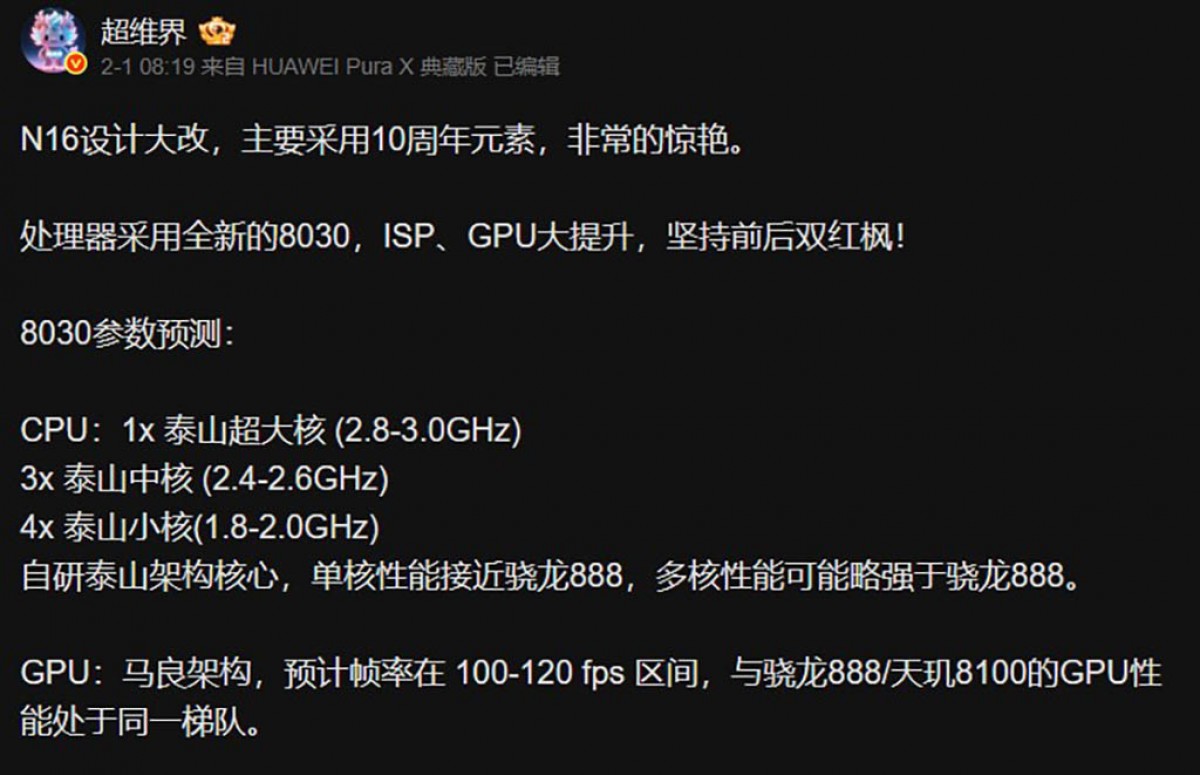
Even though it’s an older node, Huawei has made some impressive improvements to the clock speeds. The CPU on the Kirin 8030 will use in-house Taishan cores: 1x super big core at 2.8-3.0GHz + 3x medium core at 2.4-2.6GHz + 4x small core at 1.8-2.0GHz.
For comparison, here are the Kirin 8020 CPU specifications: 1x super large at 2.28GHz + 3x medium at 2.05GHz and 4x small cores at only 1.3GHz.
However, there’s only so much that can be done on such a large node – the Kirin 8030 is described as having similar single-core performance to the Snapdragon 888 and higher multi-core performance. To be fair, the main issue with the 888 was power draw, not performance. And the 888 was produced on the 5nm Samsung node.
Anyway, the new chipset will likely use Melon GPUs and target 100-120fps in select games. However, it is unclear what games those could be.
The Kirin 8030 is a new design, so it will benefit from some new technology – like Huawei’s Barong 5G modem (with support for sub-6 GHz and mmWave) and a powerful Leonardo da Vinci NPU that is said to be closer to the Snapdragon 8 Gen 2 in terms of performance than the 888.
Late last year, SMIC announced that it had begun mass production of its N+3 node (5nm) and did so without decommissioning. EUV Hardware. For context, 7nm was when the transition from DUV to EUV began for Samsung and TSMC in late 2018/early 2019. But then they had access to ASML machines. The flagship Kirin 9030 is built on an N+3 node.









Leave a Reply