


2025 Winners and Losers: Xiaomi | Infinium-tech
Xiaomi’s 2025 was full of great products across various categories. Gone are the days when the brand was competing with companies like Apple and Samsung, as Xiaomi proved that it is making its way in more than just smartphones.
Xiaomi is one of the fastest growing EV brands in China, and the success of its first vehicle – the SU7 – is making it an even bigger hit. But smartphones are still Xiaomi’s bread and butter, so let’s start the list with one of our favorite devices of the year.
Winner: Xiaomi 15 Ultra
Although the Xiaomi 15 Ultra was not a revolutionary device in itself, it brought enough improvements over its predecessor that makes it a winner. The Ultra series always brings out the best of Xiaomi’s imaging division and this was on full display with the Xiaomi 15 Ultra.
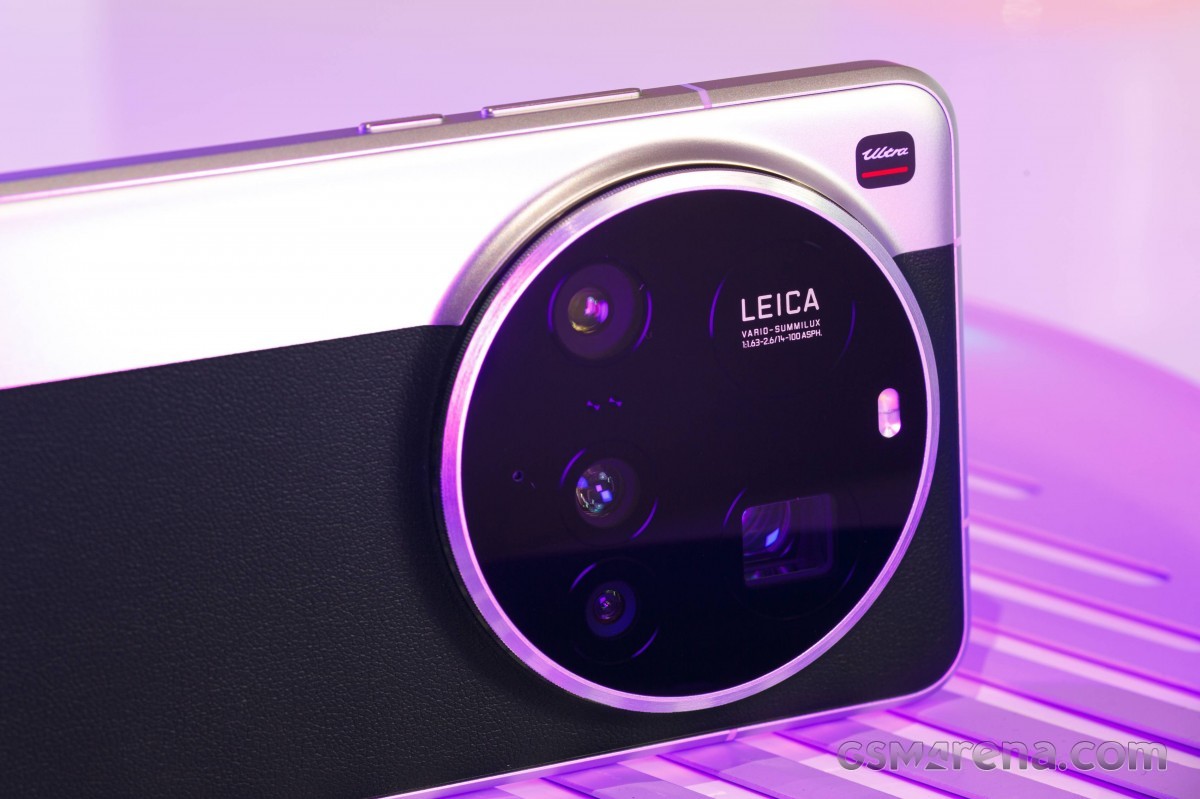
You are getting the rare combination of a 1-inch type main camera and a 200MP telephoto periscope (100mm equivalent) with 4.3x optical zoom, while the second 70mm telephoto module is still intact. A 50MP ultrawide lens is also on deck, which together makes the 15 Ultra arguably the most versatile camera phone of the year.

But the 15 Ultra does more than just upgrade the camera experience, it also adds significantly better battery endurance and a memorable design, which is further complemented by optional photography kit.
Xiaomi 15 Ultra
Winner: Poco F7
But you don’t need to spend ultra money to get a great smartphone in 2025 and the Poco F7 is a prime example of that. From its bright and powerful 12-bit AMOLED display to the powerful Snapdragon 8s Gen 4 chipset and impressive battery endurance, the F7 proved to be an easy recommendation in the €330/£300/INR 30,000 range.
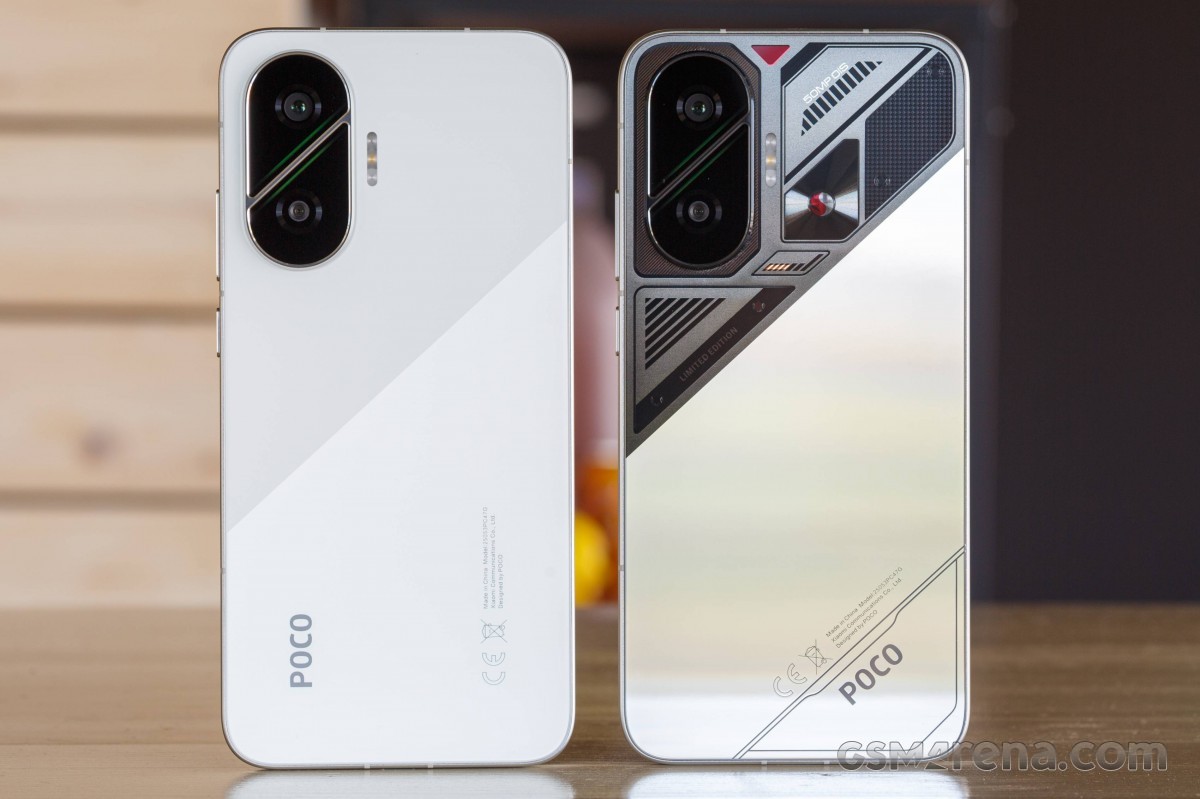
The F7 blends a premium aluminum and glass construction with excellent performance, IP68 ingress protection and is still an easily recommended device. We would have liked to see some camera upgrades since the F7 is basically reusing the F6’s shooters, and we expected the now ancient USB 2.0 connector to be replaced, but despite these shortcomings, the Poco F7 is one of the best all-rounders in its category.
Xiaomi Poco F7 5G
Winners and Losers: Xiaomi 17 Pro Max
There are plenty of phones in 2025 that will offer top-tier specifications, but the Xiaomi 17 Pro Max stands out in several ways. Adding a rear display inside the camera island isn’t revolutionary since Xiaomi did it previously with the Mi 11 Ultra, but the implementation on the 17 Pro Max stands out with its sheer size and the multiple use cases it unlocks.


Xiaomi 17 Pro Max secondary display
From answering calls to checking notifications and more importantly, having a viewfinder that unlocks high-quality selfies and vlogging capabilities, the secondary screen on the Xiaomi 17 Pro Max is not just a gimmick but a major selling point. The flagship main display, Snapdragon 8 Elite Gen 5 chip, excellent battery life and 100W charging were other strong points we liked.

Sadly, Xiaomi has not revealed any plans to bring the 17 Pro Max globally. And while we’re certainly fans of the 17 Pro Max as an overall package, we can’t help but criticize Xiaomi’s naming choice. This isn’t the first time Xiaomi has taken inspiration from Apple, but deliberately skipping an entire generation so you can “go head to head with Apple” is just a stupid move in our opinion and a clear example of marketing over substance.
Loser: Redmi Note 14 5G (Global)
We’ve been disappointed with the naming scheme of the Redmi Note series for the past few years, and there was no improvement with the Note 14 series. This year we got ten devices in the Note 14 series and the Redmi Note 14 5G is not one but the three phones It depends on where you are located in the world.
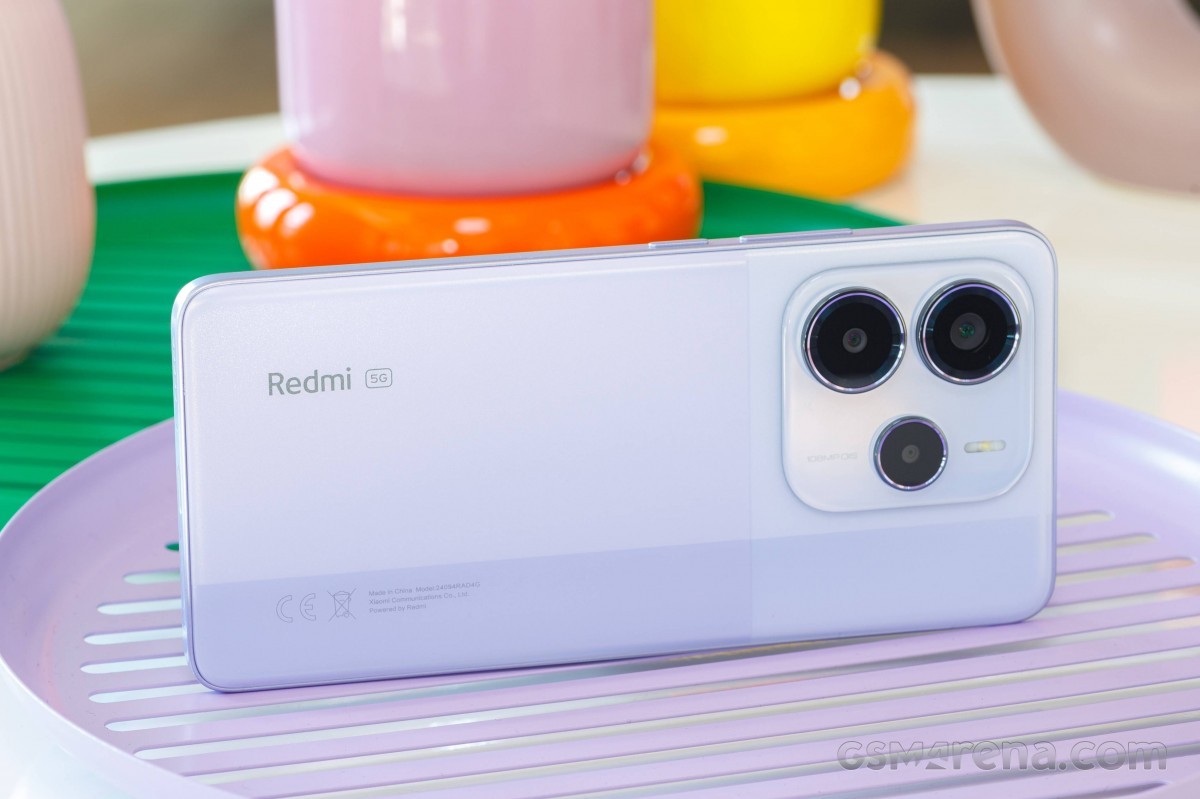
We understand that Xiaomi has to tailor its devices to the needs of consumers in their respective markets, but the global Note 14 5G that we got a chance to review did not live up to expectations. It lags behind competitors in key departments like performance and camera and doesn’t impress with its battery capacity.
Winner: Xiaomi YU7
Xiaomi’s EV division emerged as the clear winner last year following the commercial success of its SU7 sedan and the brand’s first electric SUV. u7 is on pace to take this momentum to 2026 record breaking demand With its stylish design and rich feature set in China, the YU7 appears to complement Xiaomi’s rise in the auto industry.
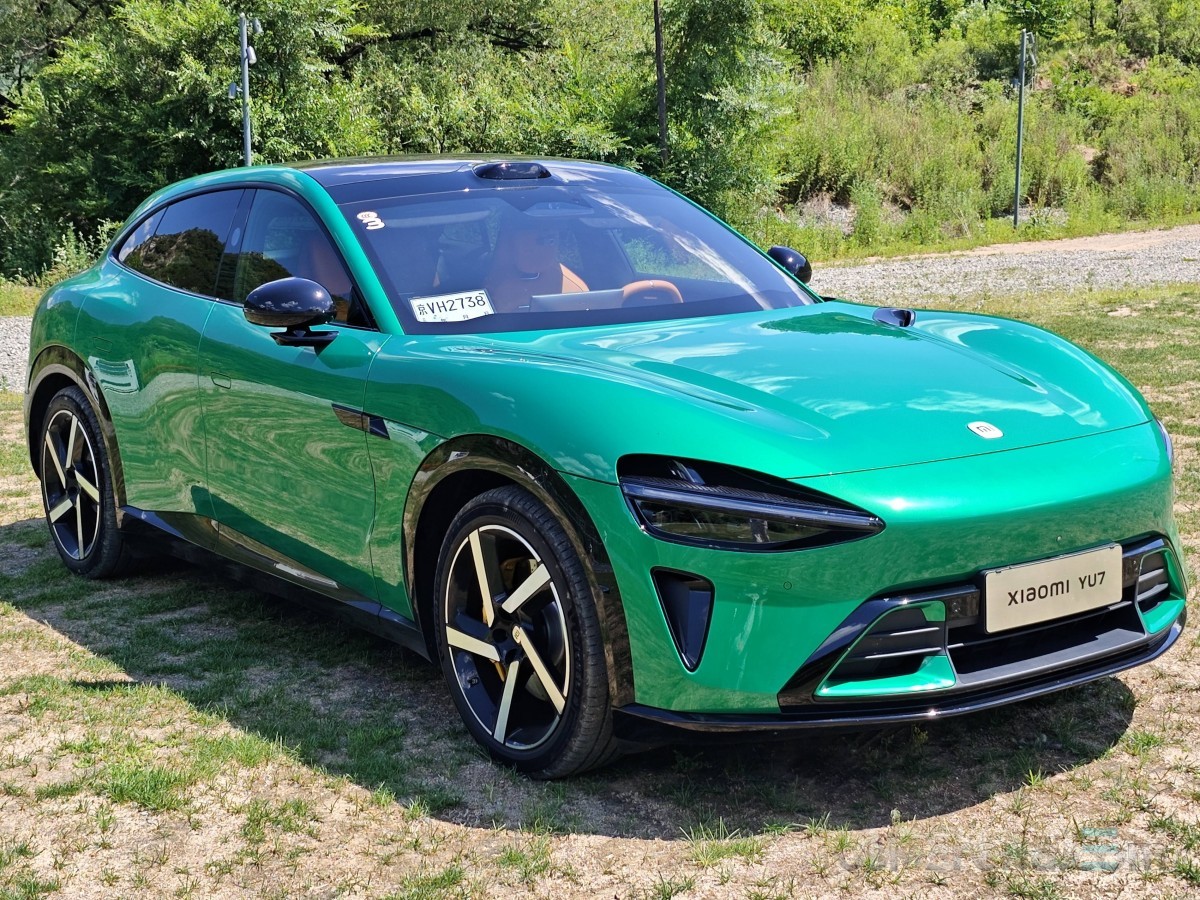
As we saw for ourselves brief time With the YU7 Max, it gives you everything the SU7 gives, but in a more spacious SUV-style body, with a higher seating position and a softer ride. And if we follow car sales trends over the past few years, the YU7 should be a major growth driver for Xiaomi.
Loser: Xiaomi Mix Fold 4 successor
The Mix Fold 4 was a huge leap forward over its predecessor but its non-existent availability outside China made it a rare sight. But 2025 proved to be even worse as we didn’t get a proper Mix 4 successor.

Xiaomi has only delivered one new foldable this year with the Mi Mix Flip 2, but that doesn’t justify ignoring the book-style form-factor. Some rumors suggest we’ll get the Xiaomi 17 Fold sometime in 2026, but we believe that with the way foldables are slowly increasing their market share, skipping a generation is a questionable move.
Loser: Redmi Note 15 series
The Redmi Note series has been confusing for a few generations now, but we think the Note 15 series needs its own introductory section to tell the devices apart. there are two base modelWhich are almost identical apart from their chipset battery capacities. two pro models When you remove their chipsets they become even closer to each other.
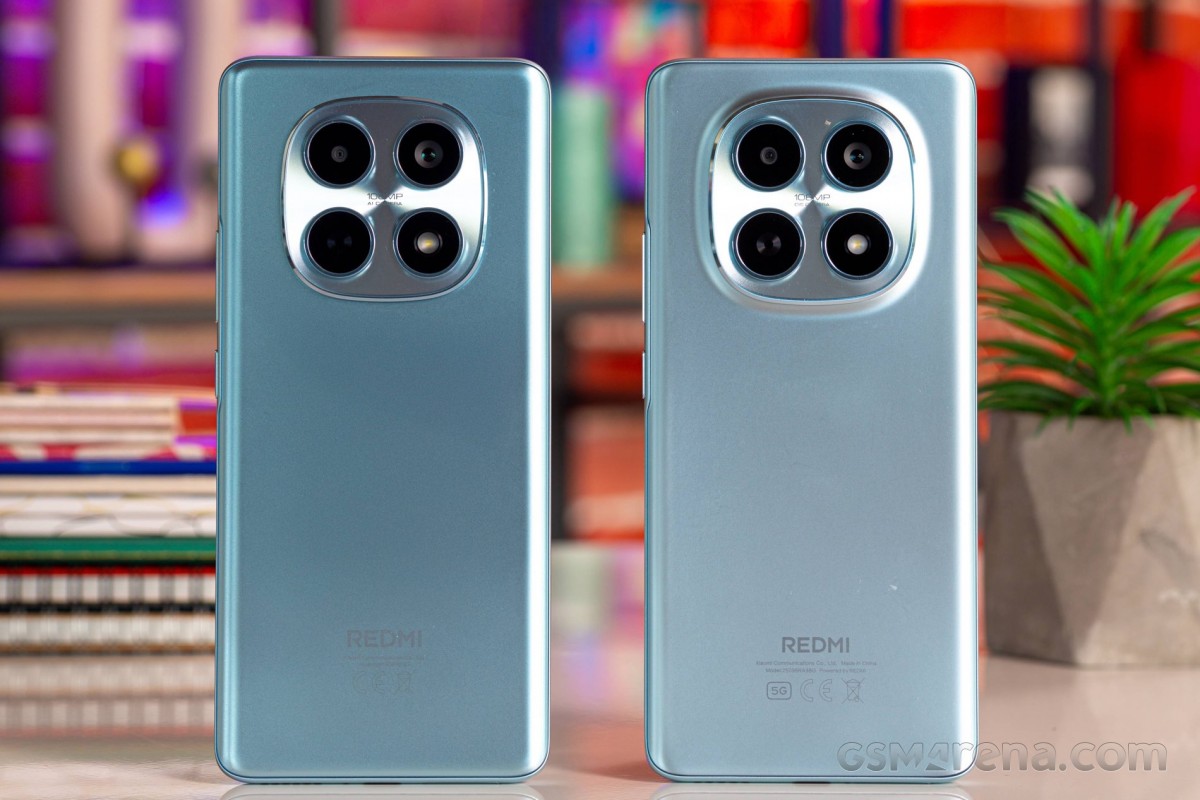
Add in the fact that the entire Note 15 series launches with Android 15 in late 2025 and the 4G models still can’t record 4K video, that should be considered a crime at this point. We’re tired of Xiaomi’s confusing naming scheme, and we hope things get better with future Redmi releases.













Leave a Reply