

2025 Winners and losers: Samsung | Infinium-tech
Introduction
Samsung is ending 2025 on a high note. The Galaxy S25 series supersedes the previous generation of S phones and Samsung’s foldables are more popular than ever.
However, success also has its share of troubles. As popular as the S25 phones were, they felt like they were in a holding pattern with minor upgrades. And this year’s big experiment, the S25 Edge, failed.
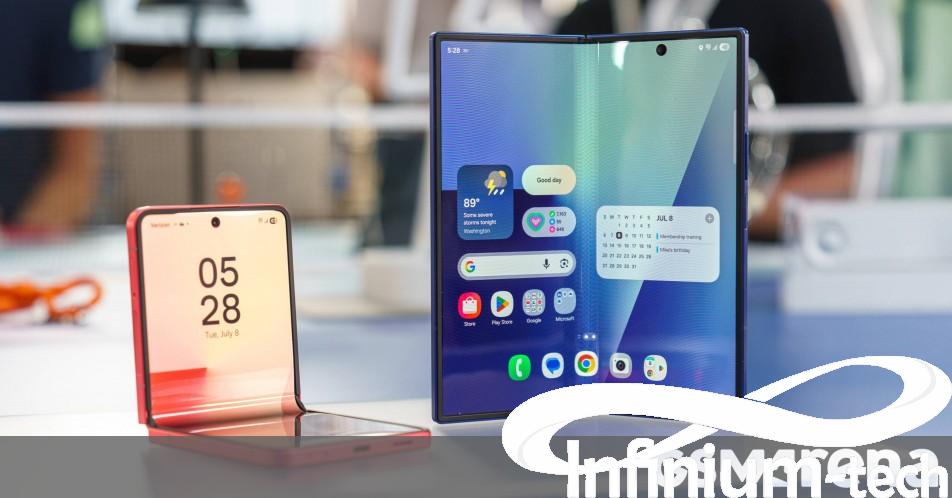
As far as foldables go, the Z Flip7 and Z Fold7 bring a much-needed upgrade to the Z series. And look at the Galaxy Z Trifold – it’s certainly a head-turner, even if it’s more of a commercially available tech demo than a mass-market device. Okay, let’s start from the top.
Winner: Samsung Galaxy S25 Ultra
2025 was a strong year for the Galaxy S series – the S25 variant set a pre-order record in South Korea with 1.3 million units. This is a record for the Galaxy S series, anyway, the all-time highest result is still held by the Galaxy Note10.

A few months after its launch, the Samsung Galaxy S25 Ultra had overtaken its two siblings – out of a total of 9.16 million, 5.08 million were Ultra phones, 2.41 million were vanilla S25 units and a lesser 1.67 million were Plus models.
By the end of June, sales of the S25 series had exceeded those of the S24 series by 12.2% during the same time frame. The Galaxy S25 Edge – we’ll talk about the Edge in a moment – didn’t contribute much. The S25 Ultra recorded a 7.1% increase in sales compared to the S24 Ultra.
Looking at previous generations, the S24 Ultra easily surpasses the S23 Ultra. In turn, the S23 series superseded the S22 series. This shows a pattern of increasing sales. Say what you want about the minimal camera upgrades (only a 50MP ultra-wide is new) and the downgraded S Pen (no Bluetooth), but this was the most popular Ultra in years.
Winner: Samsung Galaxy S25
According to the June report, the Samsung Galaxy S25 was actually the phone that improved the most over its predecessor, selling 11.6% more than the S24. And although it’s not as popular as the Ultra, it outperformed the Plus – by the end of June, 6.07 million vanilla units were sold compared to 3.85 million Plus phones. That’s an increase of 58%!
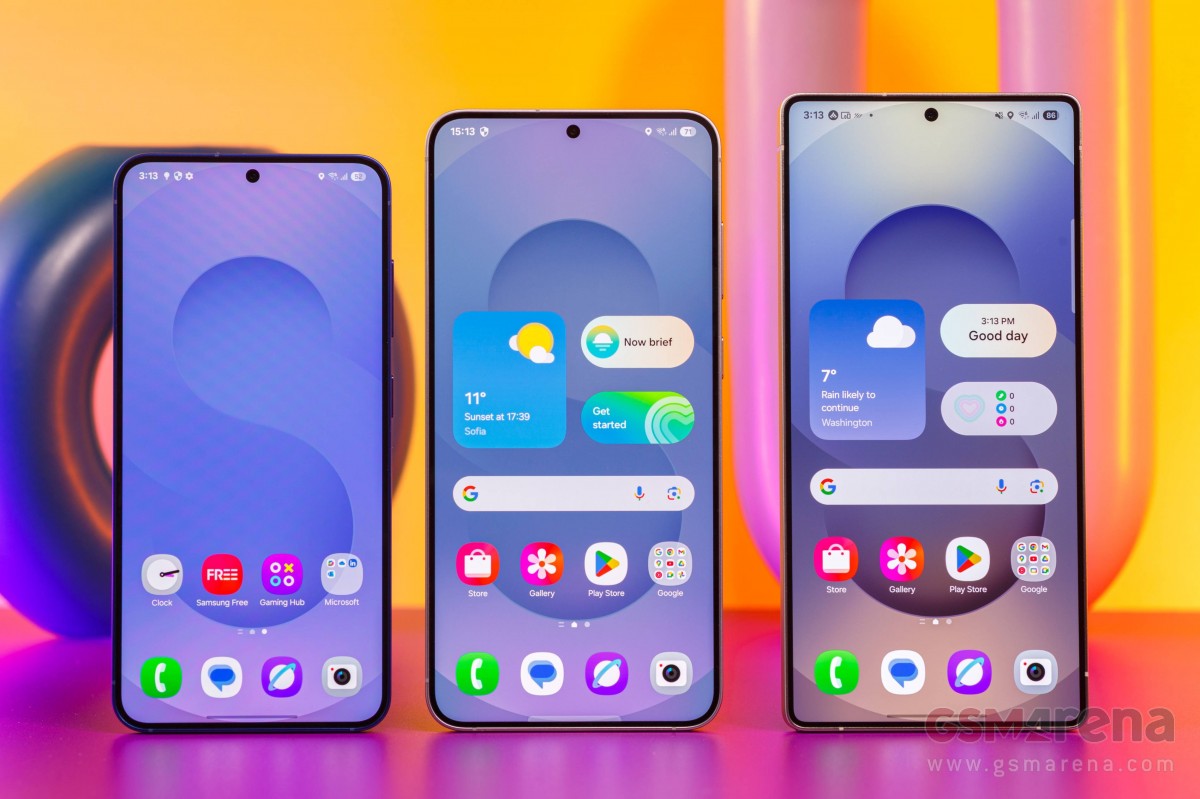
The vanilla S25 got even fewer upgrades than the Ultra – switching to 12GB of RAM was the biggest, but storage stuck with the 128GB base capacity. In our S24 vs S25 article, we noted that the user experience is almost identical.
The one exception to this was the better performance of the Snapdragon 8 Elite chipset compared to the mix of Snapdragon 8 Gen 3 and Exynos 2400. Yes, the S25 series, like the S23 series before it, is based entirely on Snapdragon. Did he play any role? Perhaps.
Loser: Samsung Galaxy S25+
Maybe “loser” is a bit harsh for the Samsung Galaxy S25+, but with mediocre sales we can’t call it a winner either. But we can call it that – a survivor. Samsung never officially confirmed this, but it was clear that the intention was to oust the Plus next year and replace it with the Edge.
The S26 Edge has been canceled – again, not officially but reliable rumors say so. So, the S26+ is back on the menu. Will it be more popular than the S25+? We doubt it, but let’s save that for next year’s “winners and losers” article.
Loser: Samsung Galaxy S25 Edge
The report of poor Samsung Galaxy S25 Edge sales will tell you everything you need to know about why Samsung has canceled plans for the 2026 Edge. Samsung can take solace in knowing that it was the concept, not the execution, that was bad.
Recently, it emerged that iPhone Air sales were so bad that they scared off Chinese manufacturers from making ultra-slim phones. People are not enjoying ultra-slim phones to such an extent that the resale value of the Air is also significantly lower than other models. Well, maybe the performance of the Edge and Air was also part of the issue. Either way, the super-slim experiment is over.
Winner: Samsung Galaxy Z Fold7 and Samsung Galaxy Z Flip7
according to Counterpoint ResearchGlobal shipments of foldables increased by 14% in the third quarter of 2025 compared to the same quarter last year. And the Samsung Galaxy Z Fold7 and Z Flip7 were the best sellers. Looking only at Samsung’s shipments, the company shipped 32% more foldables in the third quarter this year compared to the third quarter of 2024 and dominated the market with a 64% share. Huawei is the nearest rival with 15% share.
Is Z Fold7 thinner than Honor Magic V5? Or is it Honor slim? We’re talking fractions of a millimeter here, which is good for bragging rights but nothing else. Importantly, with 8.9mm thickness and 215g weight, a closed Z Fold7 feels like a standard bar phone.
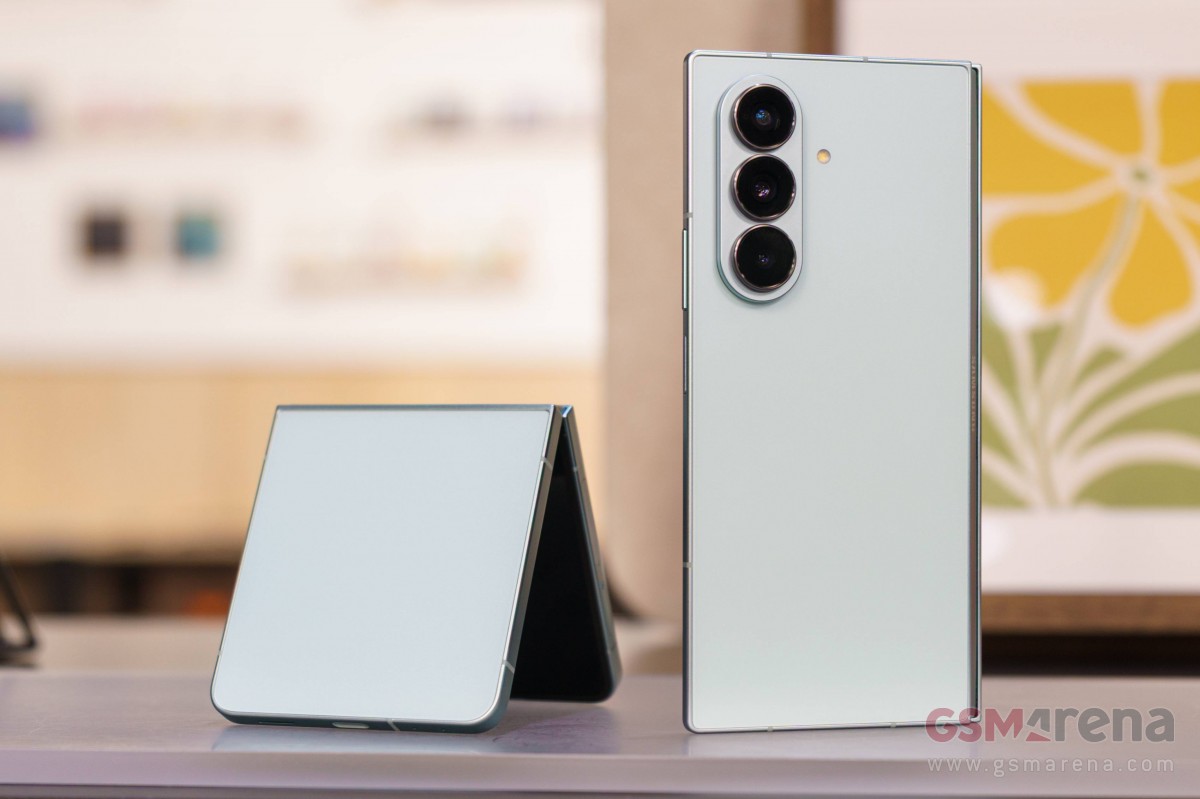
A report from the all-important US market revealed that about 30% of Z Fold7 buyers were upgrading from the S Ultra, so some people are indeed moving away from the bar phone. The report also revealed that the Z Fold7 sold more than 50% more than the previous Z Fold. It also said that “the Z Flip7 is attracting more users from other smartphone brands than any previous Galaxy Flip”.
There are certainly things that could be improved for the next generation (and Samsung is working on some of them), but as far as foldables go, the Z Fold7 and Z Flip7 take the 2025 crown.
Winner: Samsung Galaxy Z Trifold
The Samsung Galaxy Z Trifold may not be the first of its kind (that was the Huawei Mate XT Ultimate), but wide availability and a low price will make it the best-selling trifoldable in 2025 (though with a launch on December 12, most sales will happen next year).
Samsung was more conservative than Huawei when it came to positioning the weak folding display. We will see how prudent this was in the coming months.
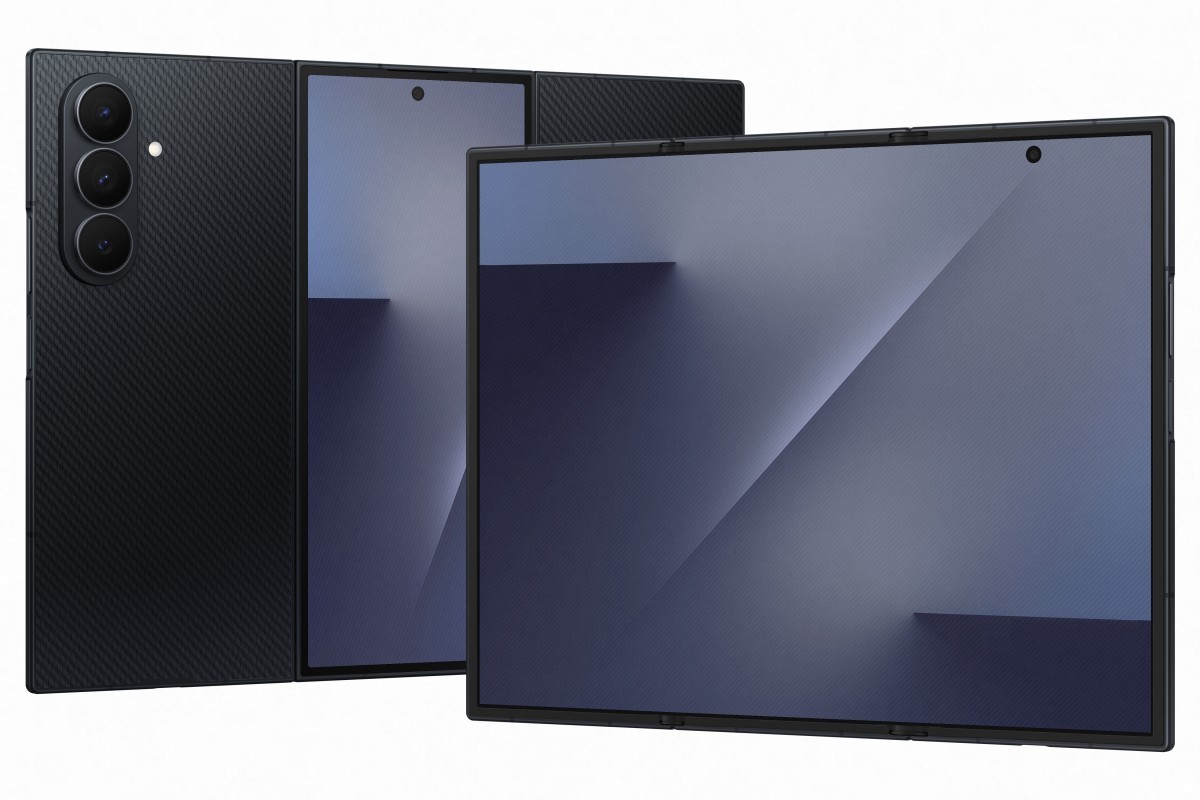
Trifold will not sell many units – it will be manufactured in limited quantities. But that’s not what this thing is about. The Trifold launch was the first time this year that we felt Samsung was doing something new again.
Loser: Exynos
There is exactly one phone with the Exynos 2500 and that is the Galaxy Z Flip7. The Flip is definitely a winner, but we don’t think its success can be attributed to the chipset.
The delayed launch meant that the 2500 was not ready in time for the S25 series. And the other two new models using the Exynos 2000 chip this year, the Galaxy S25 FE and Z Flip7 FE, chose the older Exynos 2400.
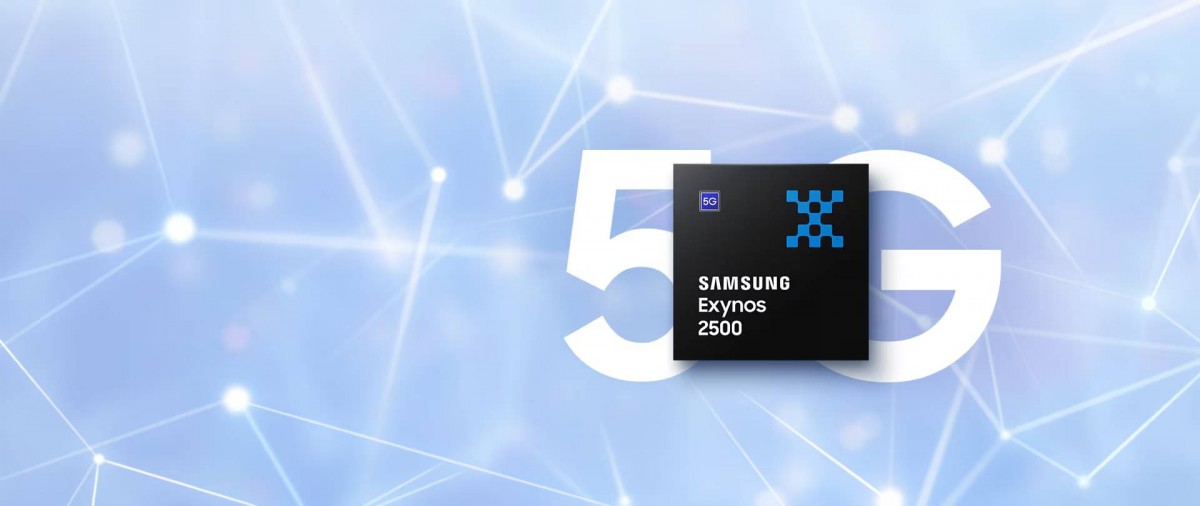
samsung exynos 2500
Reports on the upcoming Exynos 2600 suggest a grim future for it. Apparently, only South Korean Galaxy S26 units will use Exynos. This is partly due to the agreement with Qualcomm that at least 75% of all S26 phones sold globally must have a Snapdragon chip. However, that’s not all, yields are reportedly not good enough to support a global launch.
That’s why the title here is just “Exynos” and not “Exynos 2500”. Competition is good for the consumer, but Samsung chipsets have had more problems than successes in recent years, at least when it comes to the lucrative flagship segment. To be fair, mid-range Exynos 1000 models performed well in Galaxy A phones (and their derivatives), but those models operate with lower margins and no manufacturer other than Samsung has adopted them.
Loser: Samsung Galaxy S25 FE
The Samsung Galaxy S25 FE was a very moderate update – Samsung changed the chipset from the Exynos 2400e to the Exynos 2400. This resulted in a slight increase in performance but nothing that felt like a generational improvement.
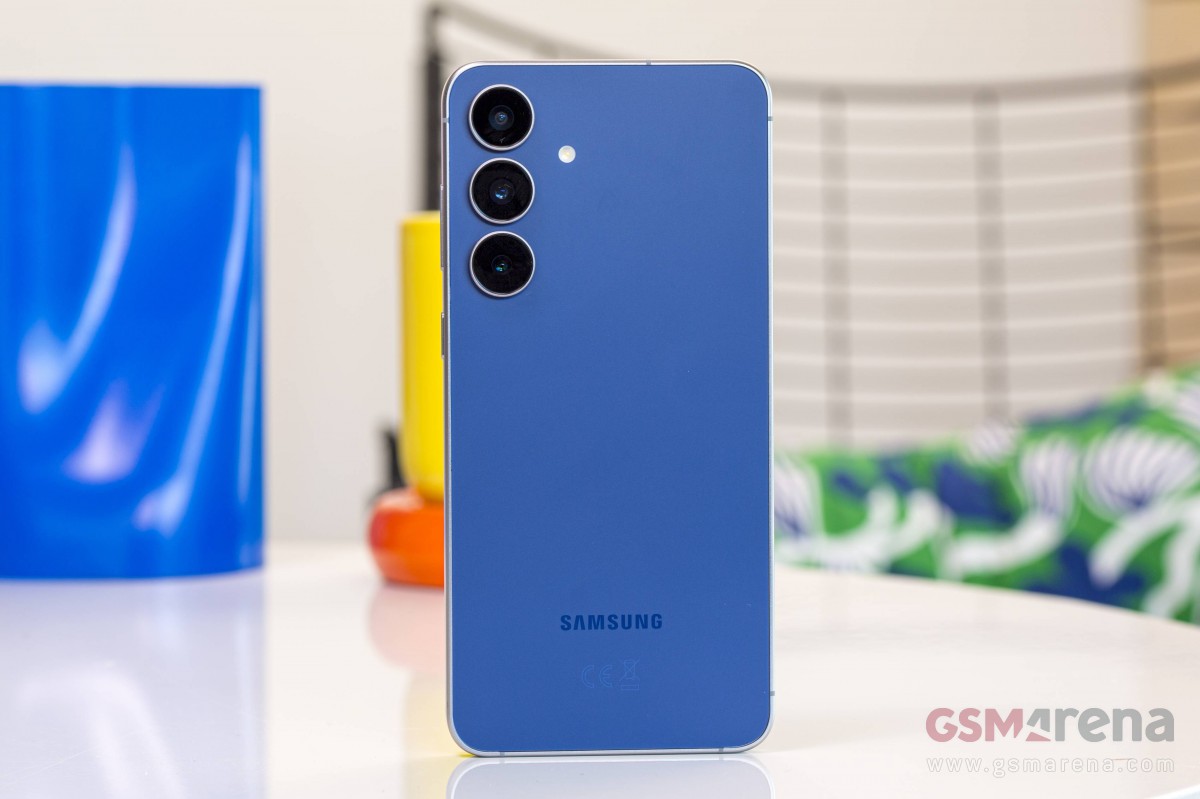
The new 45W charging system for the larger 4,900mAh battery (compared to 25W and 4,700mAh on the S24 FE) didn’t do much either. The phone outperformed its predecessor in the 30-minute charging sprint, reaching 63% compared to 56%. However, both the phones take 1 hour and 10 minutes to fully charge.
The price increase brought the price of the S25 FE very close to the S25+, making it a tougher sell. It’s a shame, the S24 FE was good enough for 2024.
Loser: Samsung Galaxy Z Flip7 FE
We never saw an analysis of Z Flip7 vs Z Flip7 FE sales, but it’s clear to see that the cheaper FE model isn’t as popular. The old design and old chipset (Exynos 2400 as mentioned above, with only 8GB of RAM) made it useless. We still like the idea of a cheap flip foldable – make any kind of cheap foldable – but the Z Flip7 FE wasn’t like that.
Winner: Samsung Galaxy A56 and A36
We don’t have concrete sales numbers, but the Galaxy A36 and Galaxy A56 were specifically called out in the Q2 report IDC as key growth drivers for Samsung. The A56 is also of great interest on our site.
Samsung changed strategy this year and decided to launch the Galaxy A56 in the US – in previous years you had to choose between the Galaxy A3X and the Galaxy S FE and there was nothing between them. However, it took until mid-July for the A56 to actually become available. So, it wasn’t a perfect year, but it was definitely a good year (a few bootloop issues also left a mark).
Losers: Samsung Galaxy Watches
First of all, Samsung didn’t even have a new Galaxy Watch Ultra for this year, it just re-released the 2024 model with 64GB of storage (up from 32GB) and a new color option.
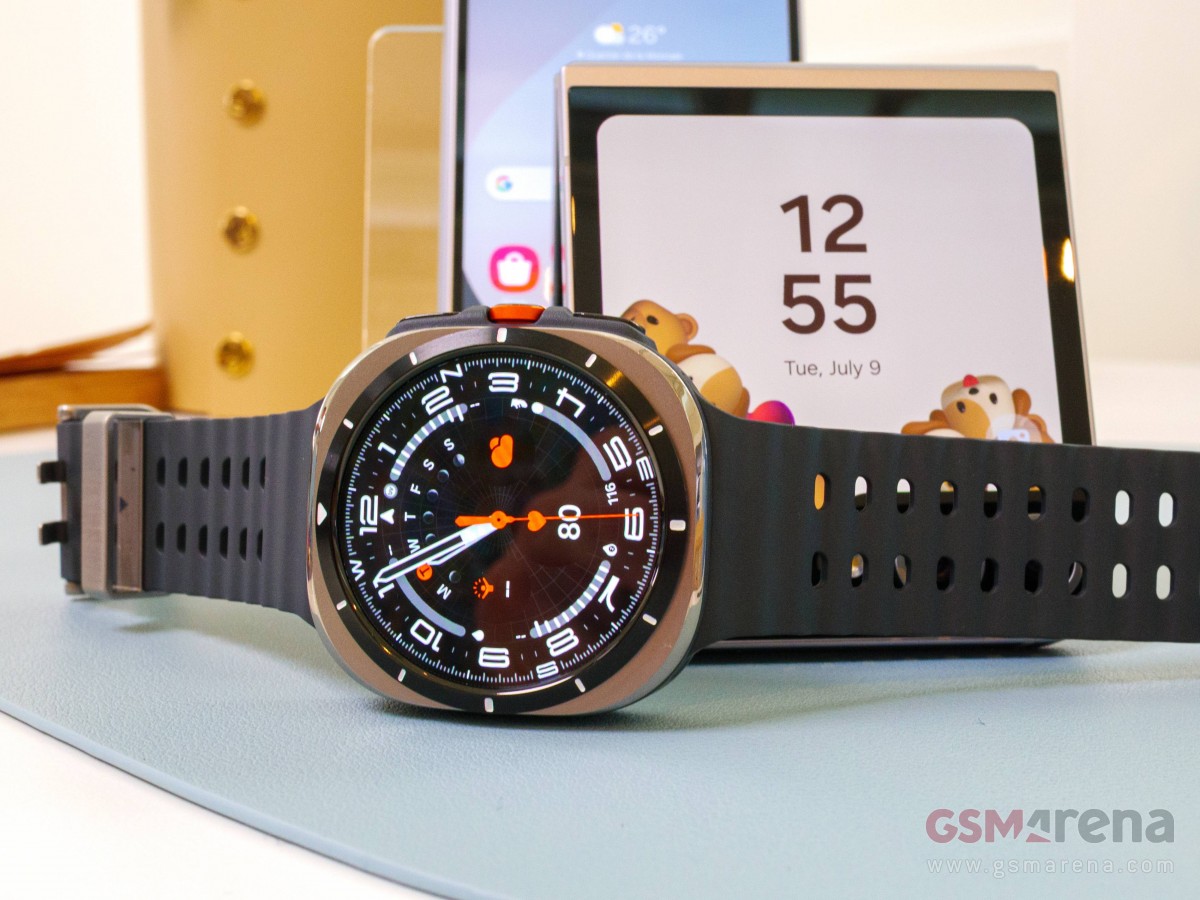
samsung galaxy watch ultra
The Ultra-inspired squircle shape for the Galaxy Watch8 and Galaxy Watch8 Classic was met with loud complaints. And that’s not all, the 46mm Classic has the same display size as the 40mm Watch 8, both at 1.34 inches. And yes, the rotating bezel takes up some space, but the 46mm Watch 6 Classic had a 1.5-inch display.











Leave a Reply